Camping La Noria
Nature100km

Camping Near Delta de l'Ebre

The Ebro Delta is one of the most important wetland ecosystems in the western Mediterranean — a vast, flat expanse of rice paddies, lagoons and salt marshes where flamingos, herons and hundreds of other bird species thrive. Located 100 kilometres south of Camping La Noria, it is a rewarding full-day excursion into a completely different landscape.

Delta de l'Ebre Natural Park© ShipSpotterDE
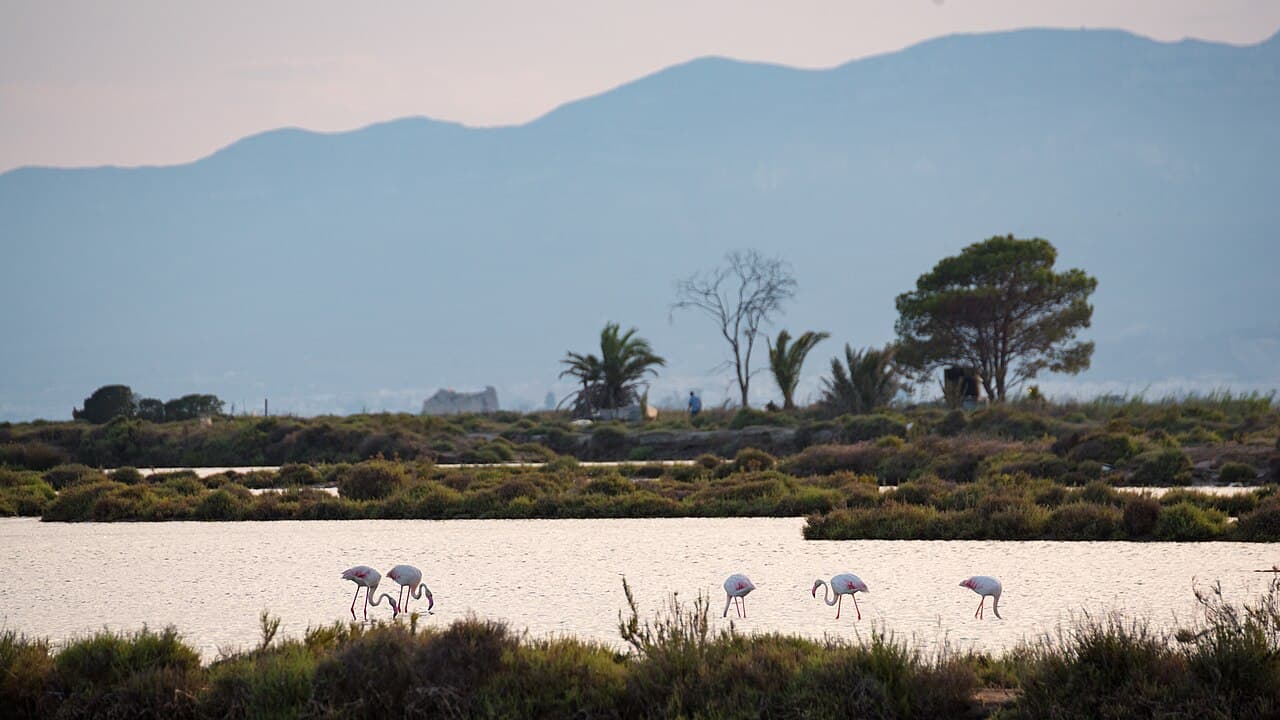
The Delta de l'Ebre Natural Park covers over 7,700 hectares at the mouth of the Ebro river, where freshwater meets the sea to create a mosaic of habitats that supports extraordinary biodiversity. Over 350 bird species have been recorded here, including large breeding colonies of greater flamingos whose pink flocks are one of the delta's most iconic sights. Herons, terns, harriers, osprey and countless wading birds share the wetlands, making this a premier birdwatching destination in southern Europe. Beyond the birds, the delta is an agricultural landscape of flooded rice paddies that shimmer like mirrors in spring and turn golden before the autumn harvest. Rice is the backbone of local cuisine — the restaurants in the delta towns of Deltebre, Amposta and Sant Carles de la Ràpita serve some of the best rice dishes in Spain, from classic arròs negre (black rice with squid ink) to creative modern interpretations. Visitors can explore the delta by car, bicycle, kayak or on foot. The Ecomuseu in Deltebre is a good starting point, providing maps and context on the ecology and culture of the area. Boat trips on the river and through the lagoons offer the best wildlife viewing, and kayak rental is available for independent exploration. The beaches at the delta's tip — Platja del Fangar and Platja de la Marquesa — are wild, windswept and spectacularly empty compared with the Costa Dorada resort beaches. From Camping La Noria, the drive south on the AP-7 takes about 75 minutes. Plan for a full day — the delta's scale and the number of things to see and do reward an unhurried approach. Pack binoculars, a camera with a zoom lens and sunscreen, as shade is scarce in this open landscape.
Why Visit Delta de l'Ebre Natural Park

The Ebro Delta offers a complete change of scenery and pace from the Costa Dorada coast. The birdlife is spectacular, the landscapes are hauntingly beautiful in their flatness, and the local rice cuisine is exceptional. For families, it is an opportunity to teach children about wetland ecology, agriculture and conservation in a living, working landscape that is also a protected natural park.

How to Get There

Drive 100 km south from Camping La Noria on the AP-7, exiting at Amposta or Deltebre. The journey takes approximately 75 minutes. Start at the Ecomuseu in Deltebre for maps and information before exploring the delta by car or bicycle.

Best Time to Visit

Spring (April-May) is peak birdwatching season, with nesting colonies and maximum species diversity. Autumn (September-October) brings the rice harvest and returning migratory birds. Summer is hot and exposed — visit early in the day. Winter sees large flocks of wintering waterfowl but falls outside the campsite's operating season.

Tips

  • Bring binoculars — the birdwatching is world-class, even from the car with a quick stop at the observation hides.
  • Have a rice lunch in Deltebre or Sant Carles de la Ràpita — the arròs a banda and arròs negre are outstanding.
  • Rent bicycles in Deltebre to explore the flat delta paths — distances are manageable and the terrain is completely flat.

Frequently Asked Questions

How far is the Delta de l'Ebre from Camping La Noria?

The Delta de l'Ebre Natural Park is approximately 100 km south of Camping La Noria, about 75 minutes by car via the AP-7 motorway.

Can you see flamingos at the Ebro Delta?

Yes. Greater flamingos are present year-round in the delta's lagoons, with the largest flocks visible from spring through autumn. The Punta de la Banya and L'Encanyissada lagoon are the best viewing areas.

Explore More Nearby